
Linked IN

Ocean Law Bulletins

Fiji Parliament Considers the Maritime Powers Bill 2026

Oct 2, 2026 / by James Sloan posted in UNCLOS, Maritime boundaries, Blue Economy, maritime powers Fiji, maritime security, Maritime Powers Act 2026, Maritime Powers Bill 2026, Ocean governance

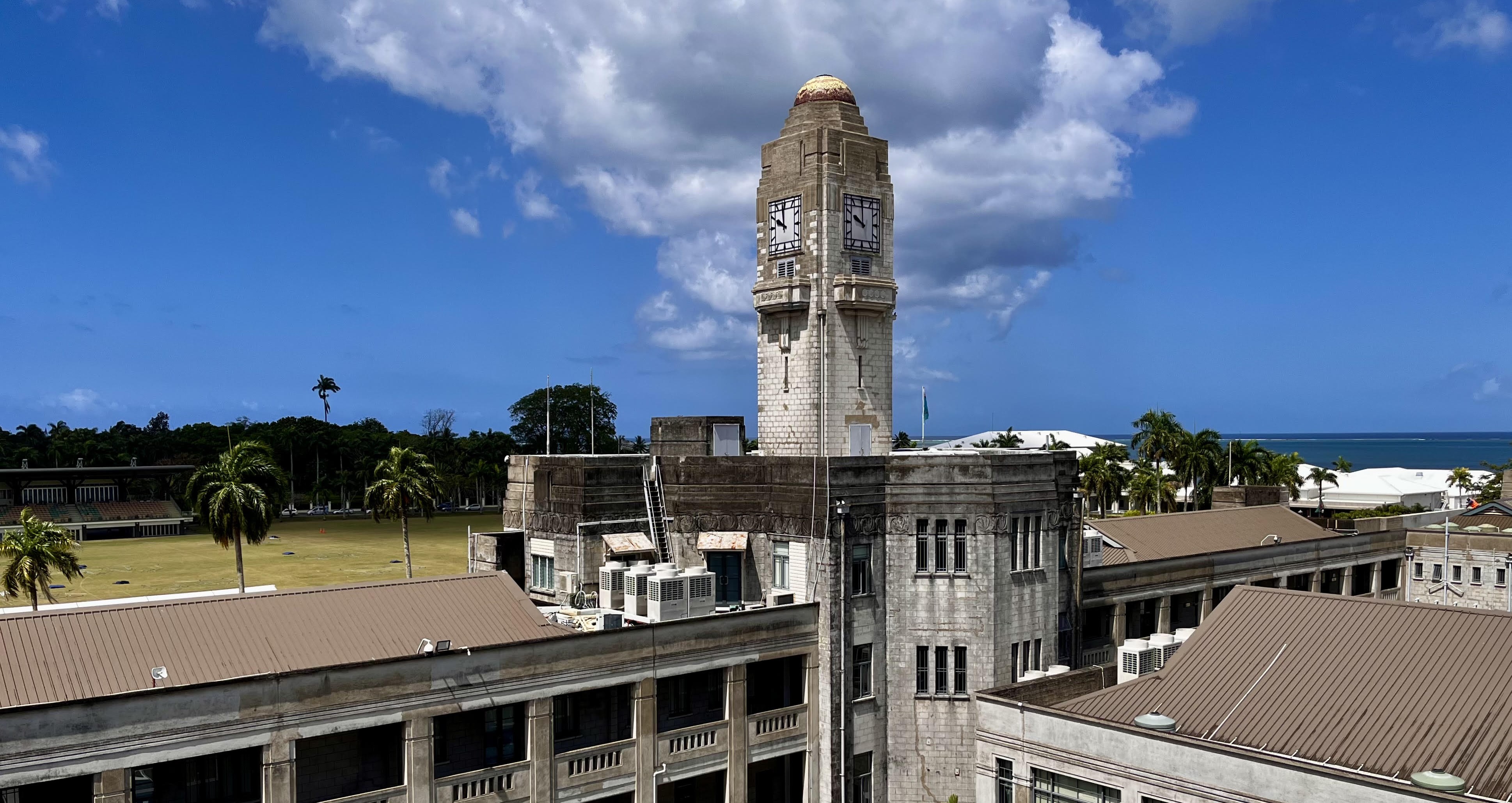
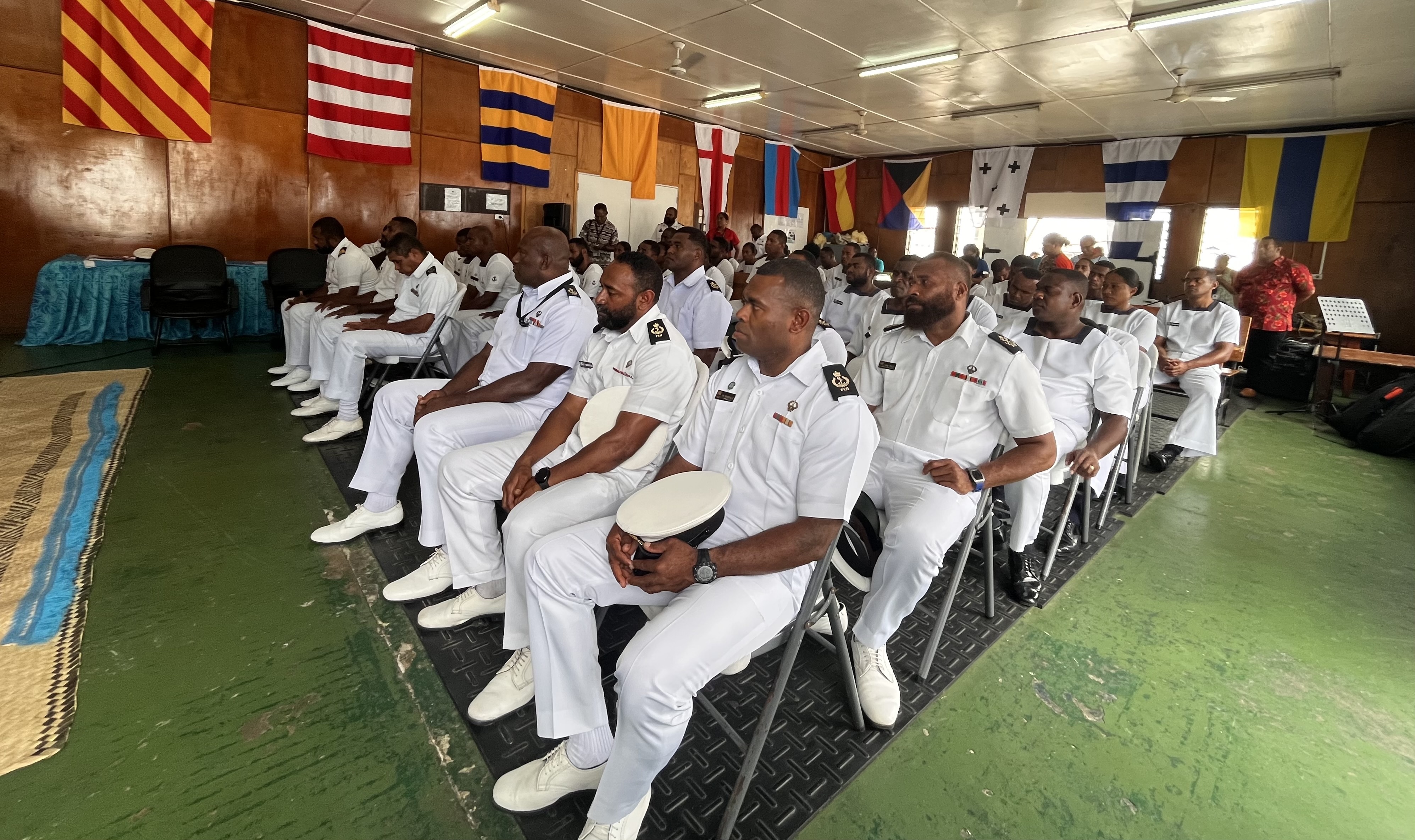
At the time of writing, the Maritime Powers Bill 2026, Bill Number 35 of 2026, the Bill, is before Parliament. It represents a significant opportunity for Fiji to bolster maritime security and ocean governance in line with national security objectives and international commitments.

This is a significant moment because the Republic of Fiji Navy, which stands on the frontline of national maritime security, has lacked its own statutory powers. For decades, naval officers relied on delegated powers conferred under separate sectoral legislation. This fragmented arrangement may have led to missed opportunities for capacity building, as well as creating complex training burdens to enforce maritime laws in accordance with national and international legal frameworks.

Fiji is a maritime nation surrounded by an expanse of ocean that includes 1.28 million square kilometres of Exclusive Economic Zone (EEZ) but also includes sovereign maritime zones that are Fiji’s internal waters, archipelagic waters, and territorial sea that links its 330 islands, and underpins domestic and international trade and Fiji’s Blue Economy.

In this bulletin, we examine how the Maritime Powers Act (once passed and in force) will operate and, noting that the Bill is open for consideration by Parliament and public consultation, we provide what we hope are constructive observations to assist the drafters. We further consider how this initiative presents an opportunity for development partners to align technical assistance towards the multiagency coordination required to implement Fiji’s maritime security, anchored by the coordination function of the Maritime Essential Services Centre, MESC.


Read More

The Commercial Use of Marine Areas Act - An Update

Sep 15, 2026 / by James Sloan posted in Environmental Management Act 2005, UNCLOS, Fiji Oceans, Indefeasibility of title, Fiji land dealings, iTaukei land law, Fiji Environmental law, Law of the Sea Convention, traditional rights, Blue Economy, Oceans Governance, Climate Change Law, Climate Change Act, Fiji blue carbon, Surfing Act Fiji, Fiji property rights, iqoliqoli, Commercial Use of Marine Areas Bill, Traditional law and governance

On 22 August 2026, Fiji’s Parliament passed Act No. 26 of 2026, the Commercial Use of Marine Areas Act 2026 (“CUMA Act”). Amongst other things, the Act provides for “the transfer of proprietary ownership of marine areas used for commercial purposes to the customary owners”.

The CUMA Act does not make or effect any immediate changes to ownership of marine areas but it does set out a process to enable the discretionary transfer of ownership of marine areas from the Fiji State to “customary owners” if an application is made by those customary owners and if certain defined criteria are met. Those criteria include but are not limited to the marine area being used, or being proposed to be used, for commercial tourism or blue carbon projects and provided those marine areas are marine areas within Fiji’s territorial sovereignty. The CUMA Act restricts the right to apply for the transfer of ownership to customary groups of indigenous Fijians (iTaukei) who have pre-existing registered rights in those marine areas and who will then hold the title on a communal basis and without the right to transfer ownership onwards (inalienability). The management and control of the transferred marine area will be vested in the iTaukei Lands Trust Board (TLTB) in a similar way to how iTaukei land (approximately 90% of all land in Fiji) is held in trust and administered for the beneficial owners of the trust.

The CUMA Act includes various safeguards including respect for existing State guarantees relating to marine use as set out in the United Nations Convention on the Law of the Sea (UNCLOS) (such as the right of innocent passage) and preserves the open surfing and water sport access to all marine areas set out in sections 6 to 9 of the Surfing Act 2010. However, the CUMA Act represents a seismic shift in terms of constitutional and property ownership rights in relation to certain marine areas and it also raises a number of questions and unknown impacts for existing interest holders, such as leaseholders, businesses, investors, and Fiji citizens.

In this legal bulletin and to assist for information purposes only, we address:

  1. How the Act will work, where and what it applies to, and key terms in the Act
  2. What has changed from the draft law – the CUMA Bill 2025
  3. Questions that arise.
Read More

CUMA Bill 2025 - Setting out the process towards Customary Marine Ownership

Dec 11, 2025 / by James Sloan posted in Hotel and Tourism Fiji, traditional rights, Blue Economy, Blue carbon, iqoliqoli, Commercial Use of Marine Areas Bill, Traditional law and governance, CUMA

The Commercial Use of Marine Areas (CUMA) Bill 2025 sets out an undeniably bold vision to enable the reversion of proprietary ownership of marine areas within Fiji’s sovereignty to iTaukei customary owners.

But such a fundamental change also raises critical areas of concern, namely the risk to investor confidence due to tenure uncertainty, the constitutional implications of mandatory lease renegotiation, and the various consequences of repealing the Regulation of Surfing Areas Act 2010.

While our previous article focused on the importance of a collaborative implementation process, this article provides more detail on the deliberate steps and safeguards the drafters have integrated into the Bill to address or manage this process. As its explanatory note provides—CUMA is intended to be a legally credible response to past inequities, and intends to establish a rigorous, multi-institutional process that anticipates and expressly aims to mitigate major economic and legal risks during the transition. A more detailed examination of the process that the CUMA Bill contemplates should provide an informed understanding of CUMA and explain how the drafters contemplated this transition of ownership can be achieved within Fiji’s legal and governance context.

Read More

Commercial Use of Marine Areas (CUMA) Bill 2025: A landmark piece of legislation and the importance of a consultative implementation process

Dec 4, 2025 / by James Sloan posted in UNCLOS, Sovereignty, Fiji Oceans, administrative law, Fiji's Constitution, Investing in Fiji, Hotel and Tourism Fiji, Nearshore Fiji fisheries, fisheries law, traditional rights, Blue Economy, Fiji National Ocean Policy, Fiji Blue Economy, Fiji blue carbon, Surfing Act Fiji, Fiji property rights, Surfing Act, iqoliqoli

The Commercial Use of Marine Areas (CUMA) Bill 2025 is a pioneering piece of legislation that has the purpose of transferring proprietary ownership of commercial nearshore marine areas to relevant iTaukei landowning groups following a process set out in the legislation. CUMA therefore intends to change the State-centric ownership model of nearshore marine areas. While this initiative is lauded for its intent to promote indigenous economic rights the transfer of tenure in marine or nearshore areas will have far reaching consequences. For example, CUMA will require the mandatory renegotiation of existing leases that has the risk of creating economic uncertainty within Fiji’s tourism-dependent economy.

Further legal questions will arise regarding the constitutional right to property and fair compensation for any loss of property rights that could arise as CUMA is implemented. In addition, the Bill repeals the Regulation of Surfing Areas Act 2010, which ensured free access to Fiji’s world-class surf breaks. The commercial arrangements that will now be put in place for surfing areas will require careful consultation to balance the resource owners' right to compensation with the interests of the surf tourism industry and the public.

To manage these complexities and mitigate the risk of unintended consequences the implementation of CUMA requires a careful, transparent and collaborative approach. This includes identifying any adversely affected legal rights and conducting a rigorous, independent economic impact assessment and engaging in extended, focused consultation with all affected stakeholders—from tourism operators and developers to the surfing community— to ensure a smooth, lawful, and economically viable transition in the interests of indigenous rights, Fiji’s economy and the existing rights of all stakeholders.

Read More

Mangroves and Seagrass: Legal Reviews aimed to promote good decision making in Fiji, Vanuatu, Solomon Islands and PNG

Nov 28, 2025 / by James Sloan posted in Fiji mangroves, Environmental Management Act 2005, Traditional fishing rights, The Environment Management Act, Fiji Environmental law, Pacific Blue Economy, Blue Economy, Climate Change Act, Fiji blue carbon, Environmental Rule Of Law, Fiji Climate Change Act, Fiji seagrass, Blue carbon

We are pleased to share information about what we hope is a useful new publication: “Towards Resilient Blue Carbon Ecosystems: A Legislative Review for the Republic of Fiji.”

This review is a key part of a four-country (Fiji, Vanuatu, Solomon Islands, PNG) study coordinated by our firm, which assesses each country's current legal and institutional frameworks governing our vital mangrove and seagrass ecosystems. We set out below why we think these reports will be helpful to everyone involved in coastal management.

You can access the full Fiji report by clicking here

You can also find all the legal reviews, and summarised factsheets from Fiji, Vanuatu, and Solomon Islands by clicking here

Read More

Fiji's Climate Change Act, 2021 - Fiji's whole of government approach to reduce emissions and remove carbon

Sep 29, 2021 / by James Sloan posted in International Law, climate change, Fiji Oceans, Environmental decision making, Fiji law, Fiji commercial law, Fiji lawyers, Blue Economy, Oceans Governance, Fiji Climate Change law, United Nations, Fiji Blue Economy, Coral Reefs, Climate Change Act

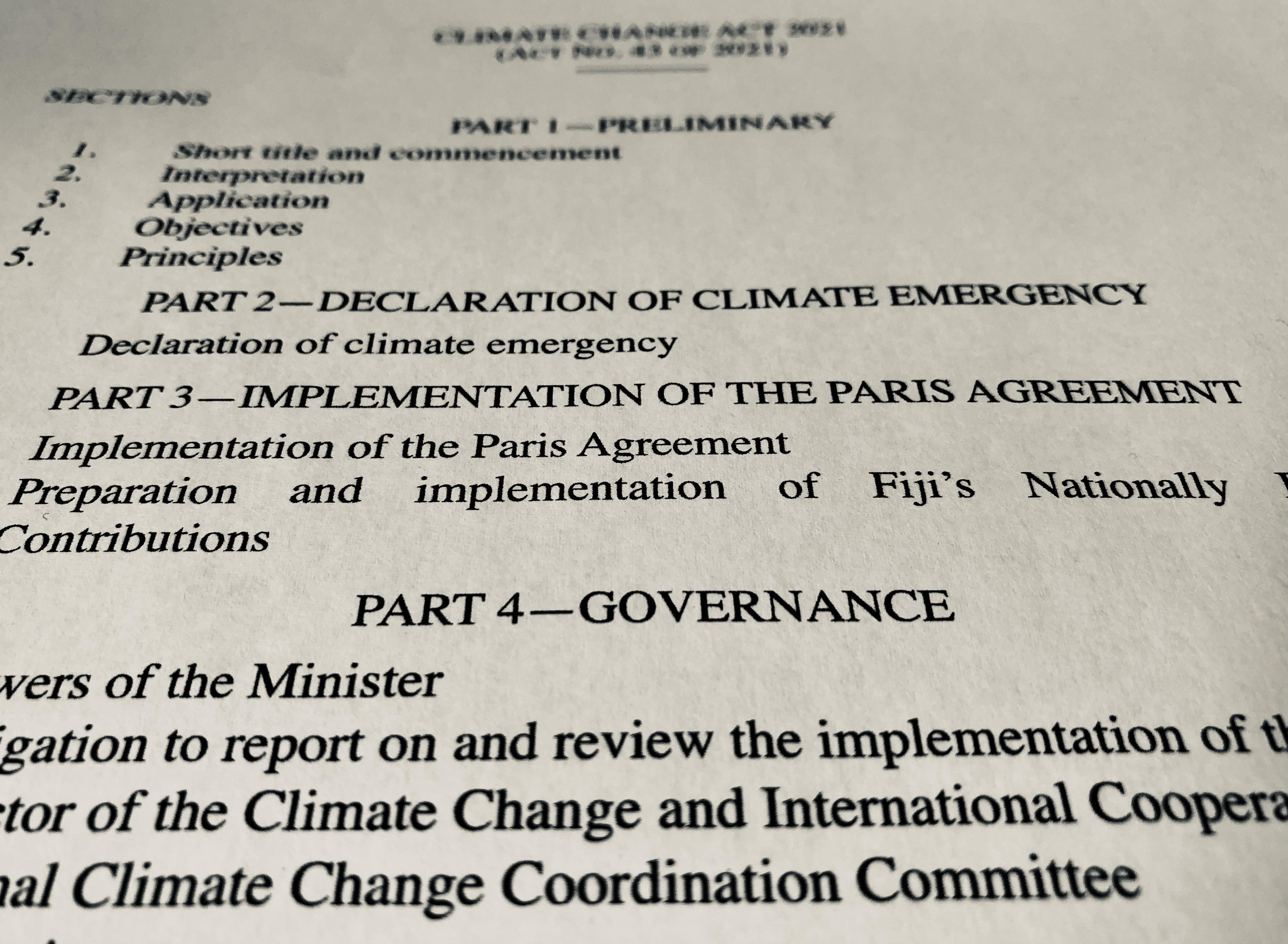
The Climate Change Act 2021 (hereinafter referred to as “the Act”) is the Fiji government’s groundbreaking and proposed legislative approach to the threat of climate change caused by human activity.

Over 93 pages, divided into 17 Sections with 112 sections, the Act provides Fiji’s intended response to the enormous challenges that face all 195 nations and their peoples.

In this bulletin we provide a detailed (and we hope) explanatory analysis of the Act. Please note that the Act has been passed by Fiji's Parliament (on 23 September 2021), and it will be brought into force in due course by the relevant Minister by notice published in the Gazette.

Read More

Offshore Marine Protected Areas for Fiji - Essential next steps in terms of sustainable financing

Feb 18, 2021 / by James Sloan posted in Oceans Law, Marine Protected Areas, Commercial fishing, Integrated Oceans Management Policy, Fiji Oceans, Fiji law, Blue Economy, Large Ocean States, Pacific Ocean, Fiji National Ocean Policy, Fiji Blue Economy, OceansPolicy, Sustainable Ocean Finance, EEZ, OPOC, Office of the Pacific Ocean Commissioner, Pacific Islands Forum Secretariat

This is a big year for oceans governance in Fiji and the Pacific. The Fiji government has just published Fiji's first National Ocean Policy (NOP) online and has announced that the NOP will be “enshrined in law” as part of its proposed Climate Change legislation. Fiji will then move towards designating 30% of its 1.2 million km2 of ocean within its Exclusive Economic Zone (EEZ) as marine protected areas (MPAs) with 100% sustainable management of its EEZ by 2030. These ocean initiatives are line with the United Nations Sustainable Development Goal 14 (SDG 14 - Life Below Water), and Fiji’s long standing commitments on the world stage.

Fiji’s goal to designate 30% of its EEZ as offshore MPAs presents significant challenges for the Fiji government because - to put it bluntly - this is an expensive initiative. In 2021, more than ever before economies everywhere, and particularly in the Pacific, are suffering. In this context designating MPAs that will alter and limit existing rights and activities, including but not limited to existing fishing practices that contribute to Fiji’s economy, requires both significant political will and long term funding. This funding is essential to undertake a proper process of designating MPAs but more importantly to assist the longer term government burden of regulation of those designated MPAs. This regulatory burden includes the ongoing monitoring, control, surveillance and enforcement of Fiji’s EEZ and MPAs across a vast area of Pacific ocean.

In February 2021, the Office of the Pacific Ocean Commission (OPOC), established under the Pacific Ocean Commissioner, Dame Meg Taylor launched an excellent “suite of Ocean reports” with a focus on ocean finance. This focus on ocean finance is well timed to assist PICs to address the major challenge of finding a way to make the protection of its ocean ecosystems both politically and economically viable.

In this bulletin we consider OPOC’s paper “Funding Marine Protection At Scale” and make some respectful recommendations in relation to how to increase the funding within Fiji to assist Fiji's government, acting on behalf of the State, to fund the designation and regulation of MPAs.

Read More

The Importance of regional cooperation between Pacific Island Countries for fisheries management and to increase the benefits for Pacific Islanders

Apr 27, 2020 / by James Sloan posted in Oceans Law, Human Rights, Pacific, human rights at sea, Flags of convenience, Labour standards at sea, human rights abuses at sea, Parties to the Nauru Agreement, UNCLOS, International Law, Maritime boundaries, Sovereignty, Traditional fishing rights, Integrated Oceans Management Policy, fisheries management, Environmental governance, Environmental decision making, fisheries law, Fiji commercial lawyers, Law of the Sea Convention, Sovereign Rights, Integrated Oceans Management Pacific, traditional rights, Pacific Blue Economy, Blue Economy, Pacific Island Rights, Tuna fisheries, WCPFC, Tuna Management Pacific, Covid-19, Pacific Island Fisheries

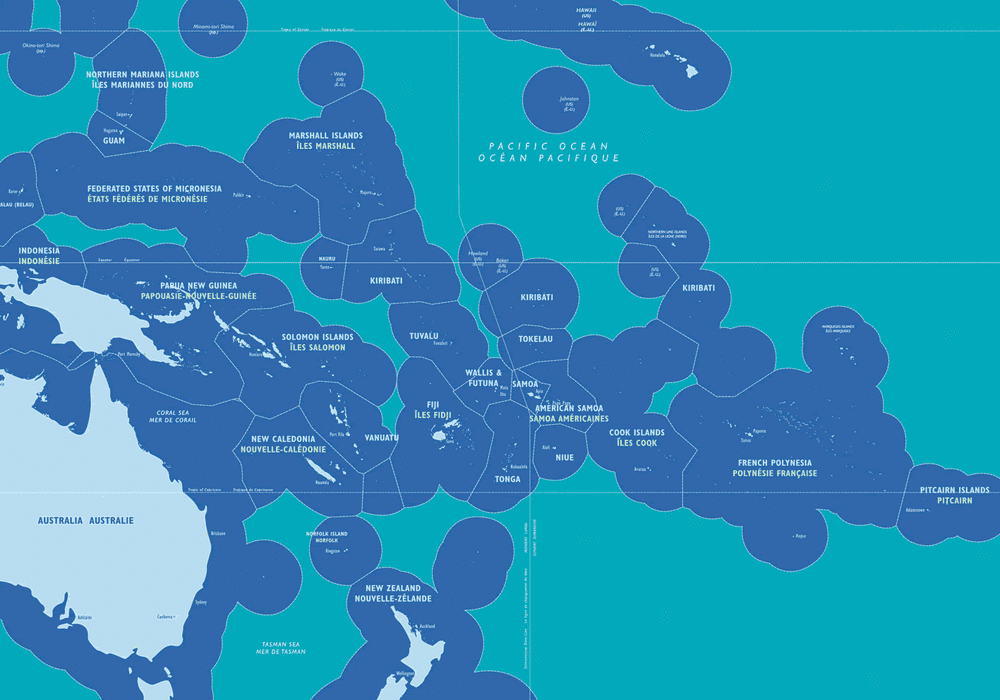
In accordance with the United Nations Law of the Sea Convention (UNCLOS) Pacific Island Countries (PICs) have the use and management rights to the resources within and under huge areas of Pacific ocean. These rights include the exclusive sovereign rights to use and manage all of the resources in these ocean spaces and on and under the seabed. However, there remains disagreement between some PICs over where the maritime boundaries should be drawn as well as a lack of a unified position in relation to how the resources should be exploited.

As the world goes through unprecedented change due to the Covid-19 pandemic, renewed cooperation among PICs is more important than ever to secure better governance, more effective fisheries management and more benefits from the resources flowing back to Pacific Islanders.

Dr Transform Aqorau has recently published an insightful article that explains some of the resilience more Pacific based tuna operations are experiencing in the face of Covid-19. This is available here.

In this legal bulletin we set out an explanation of the law and governance context that we hope explains why and how more regional cooperation to implement a shared plan with more transparency at regional and national levels will benefit Pacific Islanders.

Read More

Seabed mining - how is it intended to be regulated and what are the risks for States that seek a licence from the International Seabed Authority?

Nov 26, 2019 / by James Sloan posted in Oceans Law, Pacific, UNCLOS, Environmental governance, Environmental decision making, Law of the Sea Convention, Integrated Oceans Management Pacific, Blue Economy, UN Oceans, Seabed Mining, Oceans Governance, Deep Seabed Mining, Precautionary Principle, School of Marine Studies, University of the South Pacific

Seabed mining is a new industry that seeks to exploit the value of metals on or in the seabed. The drivers for this industry include the rising demand and costs for the metals in question. Many of the potential mining sites are found under the Pacific Ocean in areas beyond the national jurisdiction of any State. This area of deep seabed beyond national jurisdiction is defined by the United Nations Convention on the Law of the Sea ("LOSC") as “the Area”.

This new industry is intended to be regulated pursuant to LOSC by the International Seabed Authority (a body created by LOSC). The International Seabed Authority will issue licences to Applicants that are sponsored by nation States (sponsoring States). The licences will be issued subject to conditions that are intended to protect the marine environment, however, sponsoring States are themselves subject to duties under international law and amongst other things are required by LOSC to have their own legislation in place to regulate the mining companies that they sponsor. If this legislation is not in place or is inadequate then sponsoring States will not meet their international law duties, will incur legal risk, and this new industry will not be properly regulated.

In this bulletin, we set out what is known from a legal and governance perspective about seabed mining in the Area, describe how the international regulatory framework is supposed to work and review the results of a recent legal analysis that demonstrates the legal framework is not yet in place to meet various requirements under the international legal framework. We respectfully suggest that this legal analysis supports the view that seabed mining is not, as yet, ready to proceed as an effectively regulated industry in accordance with international law.

Read More

Seabed Mining in the Pacific Ocean: To mine or not to mine?  Exploring the legal rights and implications for Pacific Island Countries

Oct 4, 2018 / by James Sloan posted in Oceans Law, Sovereignty, Environmental Impact Assessments, Fiji commercial lawyers, Law of the Sea Convention, Pacific Blue Economy, Blue Economy, Pacific Island Rights, Large Ocean States, UN Oceans, Seabed Mining, Oceans Governance, Deep Seabed Mining, Pacific Ocean, Precautionary Principle

Although not yet an operational industry, seabed mining is a trending topic in the Pacific. This is because the exploration of the seabed beneath the Pacific ocean is revealing or has revealed potential mine sites for valuable minerals that are in global demand particularly for new technologies.

Proponents of seabed mining suggest, amongst other things, that mining of seabed minerals will ease demand for, and have less negative social impact than, terrestrial mining, will assist in the development of new greener technologies, and will provide economic benefits to those who participate in the mining ventures. Those who oppose seabed mining question, amongst other things, the potential environmental effects of or from the activity of seabed mining, the resultant damage to other uses or users of the ocean, whether developing nations will benefit from the mining ventures, and whether it will, in fact, ease pressure on terrestrial mining.

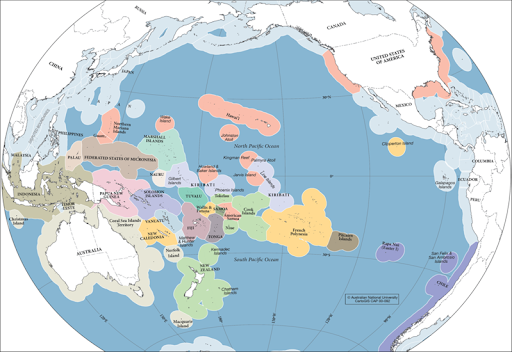
This legal bulletin considers the international legal framework of seabed mining and how it is regulated or intended to be regulated. This legal framework is important for Pacific Island Countries (PICs) because the 1982 United Nations Law of the Sea Convention (LOSC) has granted to PICs sovereignty or exclusive sovereign rights to extract (explore and exploit) resources from the seabed within vast ocean areas. The legal framework may assist PICs as they decide how to balance potential adverse environmental impacts of seabed mining against the value of their exclusive rights to, and benefits from, other living resources within the oceans.

Read More

Subscribe to Email Updates

Recent Posts

Posts by Topic

see all