



We are pleased to share information about what we hope is a useful new publication: “Towards Resilient Blue Carbon Ecosystems: A Legislative Review for the Republic of Fiji.”
This review is a key part of a four-country (Fiji, Vanuatu, Solomon Islands, PNG) study coordinated by our firm, which assesses each country's current legal and institutional frameworks governing our vital mangrove and seagrass ecosystems. We set out below why we think these reports will be helpful to everyone involved in coastal management.
You can access the full Fiji report by clicking here
You can also find all the legal reviews, and summarised factsheets from Fiji, Vanuatu, and Solomon Islands by clicking here
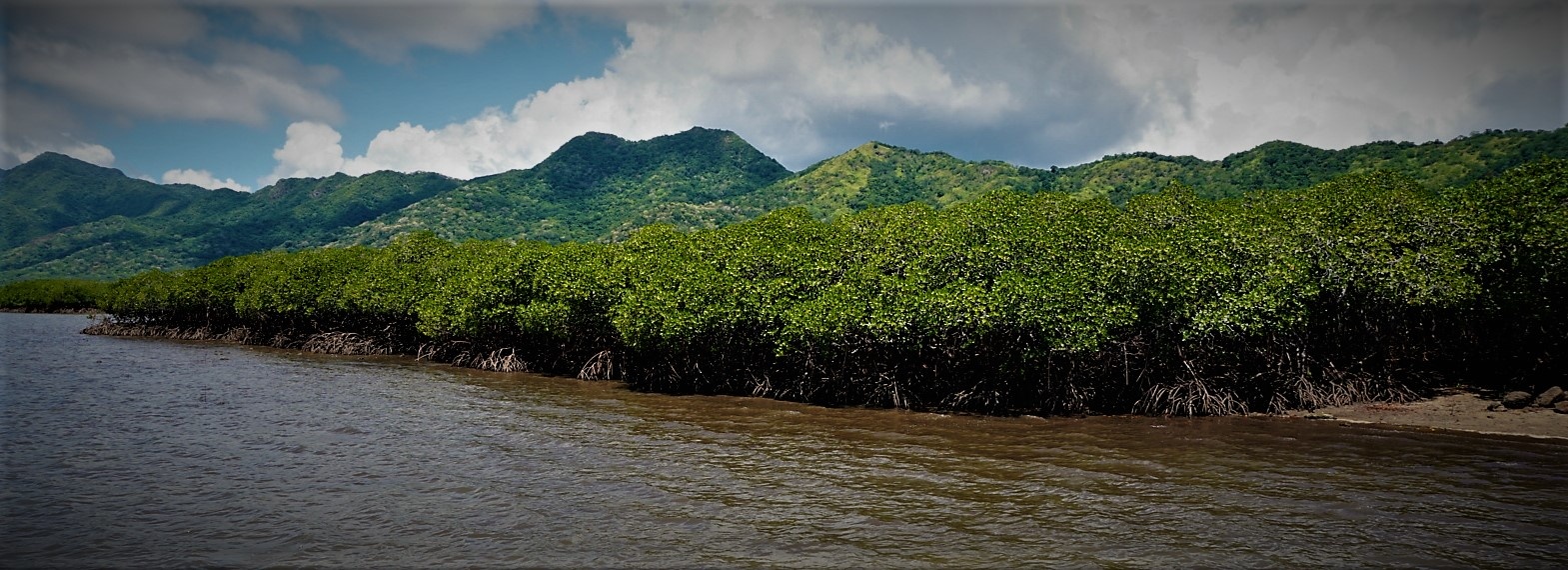
Why You Should Read This Report: Good Governance is a question of implementing laws in line with common law principles
This report fills an important gap for non-lawyers by moving beyond the question of what the law says, to focus on how the law is actually put into practice.
In our common law system, formal legislation (Statutes/Acts) is obviously key, but Judges have supervisory power over administrative decisions—the daily decisions made by government agencies under legal powers. This system dictates that all decision-making must adhere to core principles of good governance, such as consultation, transparency, and taking all relevant considerations into account.
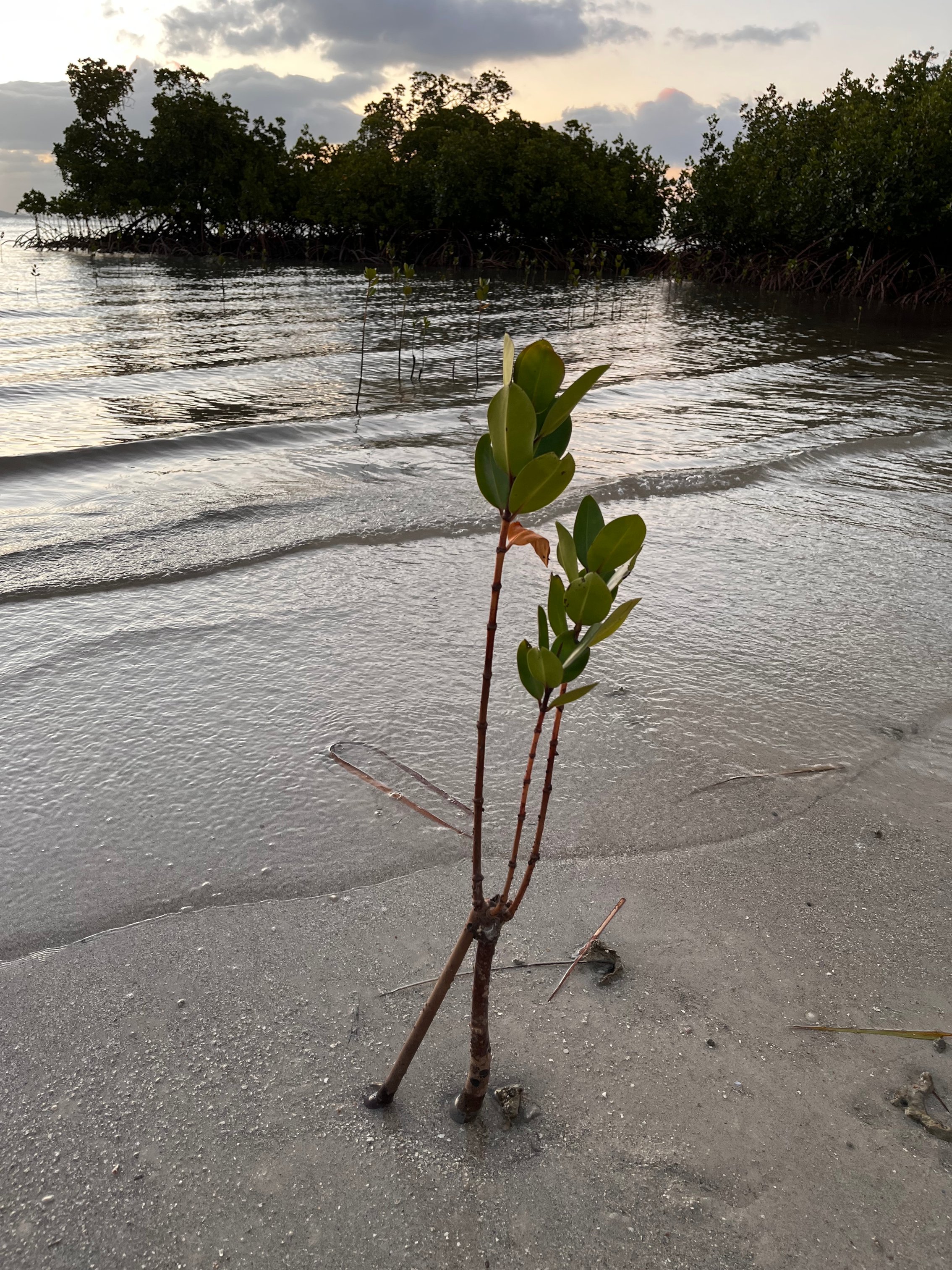
A Focus on Action: Maximising Protection with Our Current Laws
Our approach in this Legislative Review has been deliberately practical and immediate. We sought to determine what can be done now to increase protection for Fiji’s coastal ecosystems.
While it is often tempting to focus efforts on drafting entirely new, 'perfect' legislation, our collective experience suggests this can consume significant time and resources, delaying urgent action on the ground. The core finding of this review is that Fiji’s existing laws and legal framework are largely adequate and fit for purpose because they constitutionally recognise and support customary laws and rights.
Fiji’s common law system offers a crucial advantage: even if our laws are not deemed 'perfect' (and no country's ever are), they are designed to uphold principles of good governance, requiring consultation, transparency, and sound decision-making. This means the responsibility rests with all of us – government agencies, communities, and developers – to apply a reasonable, transparent, and carefully considered approach to decisions that affect our natural resources.
For Fiji, this is paramount because the health of our coastal environment is intrinsically linked to our overall well-being and development. Healthy ecosystems provide immense, often unmeasured benefits—from coastal defence and food security to supporting our economy (notably tourism) and the livelihoods of our population. We must now prioritise practical implementation and clear guidance to ensure all decisions respect the people who rely on these ecosystems, including our customary rights holders.
Key Findings and Recommendations (summarised)
The review highlights that the primary challenges lie not in the law itself, but in its implementation, which is often hampered by resource constraints and a lack of integrated coordination across ministries.
Core Findings on Legislation and Governance:
- Customary Rights are Key: Fiji's law recognises the use rights within iQoliqoli (traditional fishing grounds) as a type of property right in law, which is held by indigenous landowning groups within State-owned foreshore areas. Any decision impacting these areas (for development or protection) must include proper consultation with customary rights holders and the payment of compensation for any loss of fishing rights under Fiji's settled law and governance system.
- The EMA provides the primary legal framework: The Environment Management Act 2005 (EMA) remains the overarching framework, mandating Environmental Impact Assessments (EIAs) and controlling pollution. EMA also applies to all areas of Fiji's foreshore and ocean.
- Fisheries and Foreshore: The Fisheries Act 1941 created the legal process that codified iQoliqoli rights and defined where they extend and which community group owns those rights. The State Lands Act governs the foreshore, with its leasing process requiring consultation and compensation to customary rights holders.
- Forestry Update: The existing Forest Act 1992, which defines mangroves as forests and prohibits unlicensed felling, Please note that the Forest Act 1992 is currently undergoing a major review with a Draft Forest Bill being developed and as of November 2025 before Parliament. This new Bill is intended to modernise the legal framework beyond a focus purely on timber harvesting, addressing 21st-century issues like deforestation, climate change, and biodiversity.
- Climate Action Framework: The Climate Change Act 2021 (CCA) provides a legal framework for a "whole of government approach" and creates potential mechanisms for the State and traditional rights holders to benefit from Blue Carbon projects (carbon sequestration credits).
Primary Recommendations (Focusing on Implementation):
- Streamline Decision-Making: Develop a comprehensive policy guide for all relevant government agencies to encourage a coordinated, inclusive, and transparent approach to coastal decisions.
- Equitable Blue Carbon Finance: Design a programme for the State to collaborate with customary rights holders to benefit from carbon sequestration property rights (CSPR) in foreshore and nearshore areas, ensuring benefits are equitably shared for increased protection.
- Increase Awareness and Access: Provide targeted technical legal training for government officers (enforcement/compliance) and 'train the trainer' programmes for community groups to improve legal literacy and participation.
- Improve Access to Legal Advice: Design targeted training for the Judiciary and enforcement officers to increase awareness of environmental law crimes and the need for speedy justice (e.g., interim injunctions) to prevent further damage.
We recommend anyone interested in this area to access the full reports and useful fact sheets.
Please contact: James@sas.com.fj for any questions.
Acknowledgements
The Legislative Reviews were commissioned under the Management and Conservation of Blue Carbon Ecosystems (MACBLUE) project which is implemented jointly by the Secretariat of the Pacific Regional Environment Programme (SPREP), the Pacific Community (SPC), and the Deutsche Gesellschaft für Internationale Zusammenarbeit (GIZ). We gratefully acknowledge the support of the German Federal Ministry for Environment, Nature Conservation, Nuclear Safety and Consumer Protection (BMUV).
We extend our sincere thanks to the equally wonderful Vanessa Dirking and Dr. Milika Sobey for their excellent management of the MACBLUE project under the dedicated supervision of the jovial Raphael Linzatti, and towards GIZ in general for its vision to provide a crucial platform for Pacific-based lawyers, including our firm, to contribute expertise on how legal systems can be effectively operationalised in island contexts. We are also deeply honoured that such a busy and committed Permanent Secretary for Environment and Climate Change Dr. Sivendra Michael, provided the Foreword thereby underscoring the Fijian Government’s commitment to integrating legal and policy frameworks for enhanced climate resilience and conservation.
Finally, we acknowledge the efforts of all the legal practitioners involved in the four-country review series. While we (James Sloan and Emily Samuela) drafted this Fiji report, we thank Evelyne Blake (Vanuatu), Seno Mauli (Solomon Islands), and Andrew Kidu (Papua New Guinea) for taking the lead in their respective jurisdictions and working with us to fill an important gap to advance the Environmental Rule of Law in Fiji, Vanuatu, Solomon Islands and PNG.
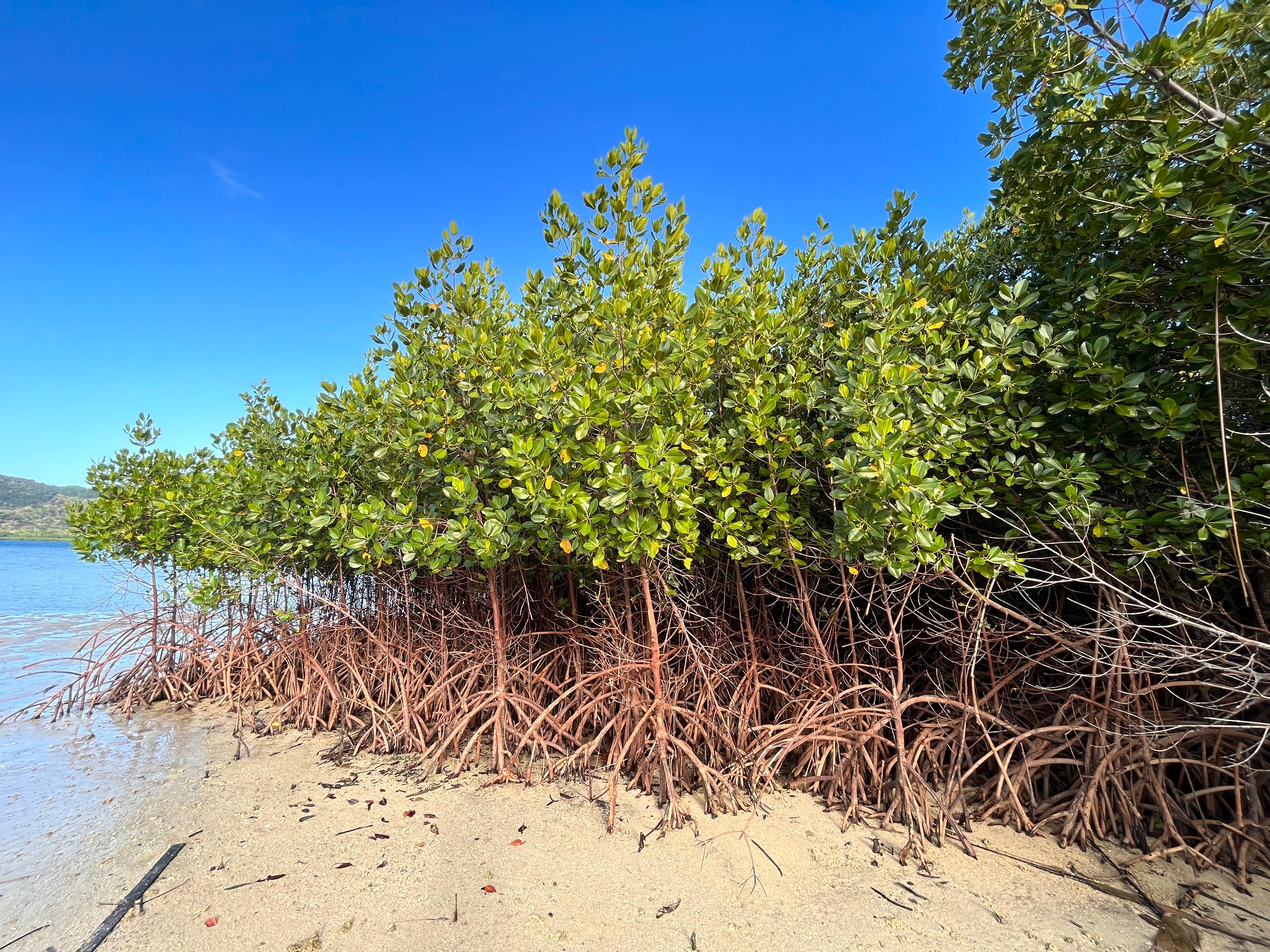
Disclaimer: Please note that the information in this bulletin and in the reports are provided for informational purpose only, and are freely available. They are not, and should not be relied on as legal advice.