



The Commercial Use of Marine Areas (CUMA) Bill 2025 is a pioneering piece of legislation that has the purpose of transferring proprietary ownership of commercial nearshore marine areas to relevant iTaukei landowning groups following a process set out in the legislation. CUMA therefore intends to change the State-centric ownership model of nearshore marine areas. While this initiative is lauded for its intent to promote indigenous economic rights the transfer of tenure in marine or nearshore areas will have far reaching consequences. For example, CUMA will require the mandatory renegotiation of existing leases that has the risk of creating economic uncertainty within Fiji’s tourism-dependent economy.
Further legal questions will arise regarding the constitutional right to property and fair compensation for any loss of property rights that could arise as CUMA is implemented. In addition, the Bill repeals the Regulation of Surfing Areas Act 2010, which ensured free access to Fiji’s world-class surf breaks. The commercial arrangements that will now be put in place for surfing areas will require careful consultation to balance the resource owners' right to compensation with the interests of the surf tourism industry and the public.
To manage these complexities and mitigate the risk of unintended consequences the implementation of CUMA requires a careful, transparent and collaborative approach. This includes identifying any adversely affected legal rights and conducting a rigorous, independent economic impact assessment and engaging in extended, focused consultation with all affected stakeholders—from tourism operators and developers to the surfing community— to ensure a smooth, lawful, and economically viable transition in the interests of indigenous rights, Fiji’s economy and the existing rights of all stakeholders.
Overview and Objectives of the Bill
The Commercial Use of Marine Areas (CUMA) Bill 2025 represents a landmark legislative initiative that proposes a fundamental shift in the proprietary ownership of nearshore marine areas in Fiji.
The drafters are commended for their work to advance a policy objective of iTaukei empowerment and for the scope of the legislation that would, if successful, mark a fundamental change in the proprietary ownership of marine areas for the first time in Fiji’s post cession (1871) history.
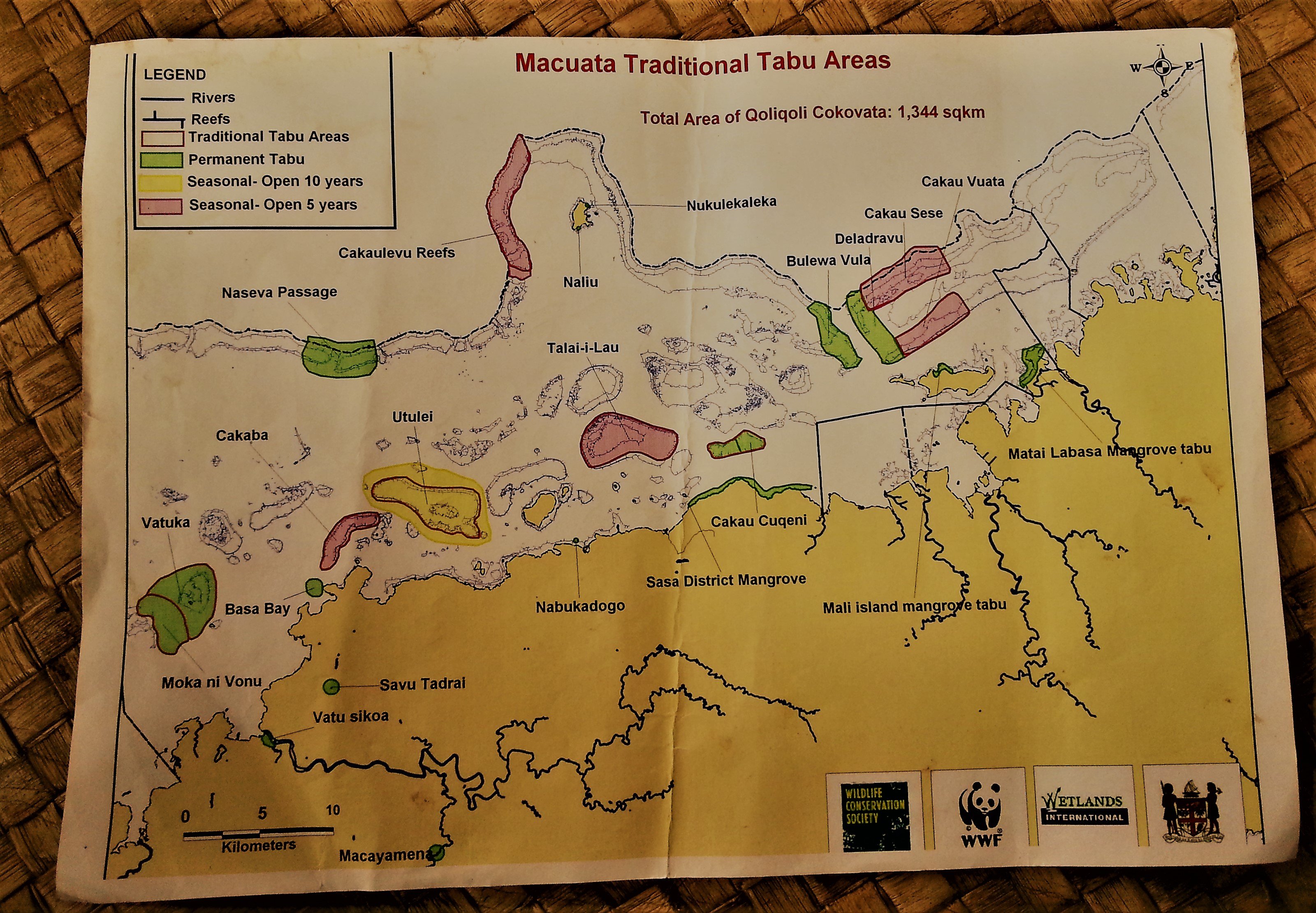
Currently, the foreshore and nearshore marine areas, including internal, archipelagic, and territorial waters, are vested in the State. However, iTaukei customary rights holders possess legally recognised, protected user rights over traditional fishing grounds (known as iqoliqoli) that are demarcated under State law. Therefore, under the “bundle of property rights” theory the current ownership of nearshore areas is shared between the State and customary rights holders, but with the balance of rights held in favour of the State. But, as CUMA demonstrates, the State via Parliament has the power to change that balance of ownership rights via legislation.
Fiji’s nearshore traditional fishing grounds or qoliqoli areas were formally delineated and mapped by the iTaukei Lands and Fisheries Commission in accordance with a lawful process under the Fisheries Act 1941, with the Commission holding the official registers and maps that record these user rights to the relevant iTaukei landowning group (typically Yavusa but may also be a Mataqali).
This legislative process established a defined property-type right distinct from ownership of the seabed that is recognised by the legal practice of paying compensation as part of the lawful issue of any foreshore lease. The Department of Lands is responsible for handling the leasing process and manages the process related to compensation payments that is based on a Fiji government Cabinet decision made several decades ago.
The CUMA Bill promises to transform this current situation and the primary objective of the CUMA Bill (Bill No. 42 of 2025) is to:
- Establish a mechanism for the reversion of full proprietary ownership of designated Commercial Marine Areas (CMAs) to the customary owners (iTaukei owners). A CMA is defined as a marine area used for commercial tourism activity or certain emissions reduction projects.
- Require the iTaukei Fisheries Commission (iTFC) to assess applications, delineate boundaries, and develop an equitable compensation scheme between iTaukei owners and existing interest holders (s. 9).
- Vest the control and administration of these newly vested marine areas in the iTaukei Land Trust Board (TLTB) for the benefit of the iTaukei owners (s. 17).
While the drafters deserve commendation for a significant contribution to iTaukei empowerment this raises a number of legal and economic considerations that will have to be taken into account as CUMA is implemented.
Critical Legal and Economic Considerations
The CUMA Bill aims to empower iTaukei institutions and ensure equitable benefit sharing; however, its potential impact on Fiji’s investment climate—particularly the tourism-based economy—necessitates careful and deliberate management. Given that Fiji’s marine economy relies heavily on the certainty of land and marine tenure arrangements, the transfer of proprietary ownership of CMAs and the mandatory renegotiation of existing lease terms introduces a level of complexity that requires proactive management to safeguard economic continuity and avoid investor concern.
In particular, mandating the renegotiation of these terms for existing commercial operations, including tourism, is an area that requires clear, proactive communication. This is vital to ensure the process is not perceived by existing and prospective investors as an unnecessary increase in risk or a destabilisation of arrangements originally established under the State's ownership.
This situation underscores the strong need for a thorough economic analysis to effectively support the positive economic objectives of the Bill. This analysis must clearly project the overall impact on the investment attractiveness of Fiji’s marine and tourism sector, ensuring that the policy's benefits are not accompanied by any unintended reduction in capital inflow or destabilising investor confidence.
Legal and Constitutional Areas for further consideration
The CUMA Bill's provisions regarding existing interests raise important constitutional and legal questions that warrant proactive clarification to ensure the framework's robustness.
A key consideration relates to the constitutional protection of property rights contained in the Constitution. At the present time the customary user rights over the iqoliqoli are legally protected and recorded through the process under the Fisheries Act 1941, they have been consistently treated as a compensable form of property. Should the mandated renegotiation process lead to the material alteration of a legally registered existing lease, licence, or commercial interest, it is essential to ensure that the process remains fully compliant with the Constitution.
To ensure constitutional clarity, the legislation should provide for the clear mechanism of just compensation to any third-party interest holder whose existing legal or commercial rights are demonstrably altered as a direct result of the vesting order or subsequent renegotiation, thereby strengthening alignment with constitutional safeguards. This type of amendment would protect existing registered customary rights holders as well as investors. As part of this, it is worth noting that it is possible that disputes may also arise among iTaukei landowning groups regarding changes in ownership of marine areas. This risk will again be mitigated via careful consultation that identifies legal and economic rights holders and ensures a collaborative approach.
Impact of Repealing the Regulation of Surfing Areas Act 2010
The CUMA Bill introduces a significant shift in marine area access by repealing the Regulation of Surfing Areas Act 2010 (Surfing Act). The Surfing Act was enacted with the purpose of opening access, explicitly prohibiting the imposition of fees or charges for the use of surfing areas and mandating unrestricted access.
The repeal of the Surfing Act, while consistent with the objective of vesting greater control in iTaukei customary owners over commercial areas, effectively removes this prohibition on charging for access to reef breaks. The outcome is that owners of newly vested Commercial Marine Areas (CMAs) that encompass world-class surf breaks may potentially have the authority to impose access restrictions or charges.
This change requires sensitive consultation to balance the legitimate interest of resource owners to benefit from their traditional marine areas against the interests of:
- The local and international surfing community, including local surfers and surf schools.
- The broader surf tourism economy, which has developed under the unrestricted access model.
- Any commercial activity in place at the time that the CUMA is implemented as it is likely implementation will take time and tourism ventures are likely to have commenced.
A consultative approach is vital to avoid potential conflict that could arise with changes, and to determine a framework that respects indigenous rights while preserving the integrity and economic value of Fiji as a premier surf destination.
Further, while the CUMA Bill grants the Vesting Authority the power to determine new terms if parties fail to agree (s 14), and states the Act will prevail over other written laws (s 32), it is paramount to ensure that the resulting framework avoids conflict with other critical legislation governing national and maritime security, environment, and public access.
The potential for the new proprietary rights to be used to restrict general public access in marine areas requires clear and legally sound limitations within the framework to uphold the constitutional right to freedom of movement and international law obligations like the right of innocent passage that is guaranteed under the United Nations Convention on the law of the sea (UNCLOS).
Recommendations to assist in implementation
To assist with a way forward that balances investor confidence with achieving CUMA’s objective of iTaukei empowerment, we respectfully recommend a transparent and consultative approach that should
- Include a rigorous, independent economic impact and cost-benefit analysis of the proposed framework, specifically addressing its effects on the tourism, fisheries, ports sectors, and the surf tourism industry;
- Conduct an extended, focused consultation with all existing industry stakeholders—including tourism operators, fisheries companies, port authorities, enforcement agencies (including the Navy, Police, MSAF), developers, and representatives of the surfing community—to clearly articulate the scope of the changes and proactively and collaboratively address any concerns regarding tenure security and transition.
- Ensure specialist legal advice is taken via the Attorney General’s Chambers relating to the provisions for renegotiation and compensation to align explicitly with constitutional property protections, providing unequivocal assurance to existing interest holders regarding the security of their investments and the current iTaukei customary rights during any transition.
A transparent, thorough, and collaborative process such as the one set out above is essential to manage any concerns from existing commercial operators and rights holders and to avoid or minimise disruption to Fiji's economic stability and ensure the successful implementation of this transformative legislation.
Please Note: Given the significance of the CUMA Bill we will continue to follow it's development with interest, and for clarity it remains a Bill at this stage, and will not become law unless and until it is enacted by Parliament. During that Parliamentary standing committee process submissions from interested parties will be heard and changes may be made to the final Bill in accordance with usual Parliamentary process.
This article is provided for informational purposes only and constitutes a general summary of the proposed legislation (CUMA Bill 2025). It does not constitute legal advice and should not be relied upon as such. Specific legal advice should be sought in relation to any particular fact or circumstance.