



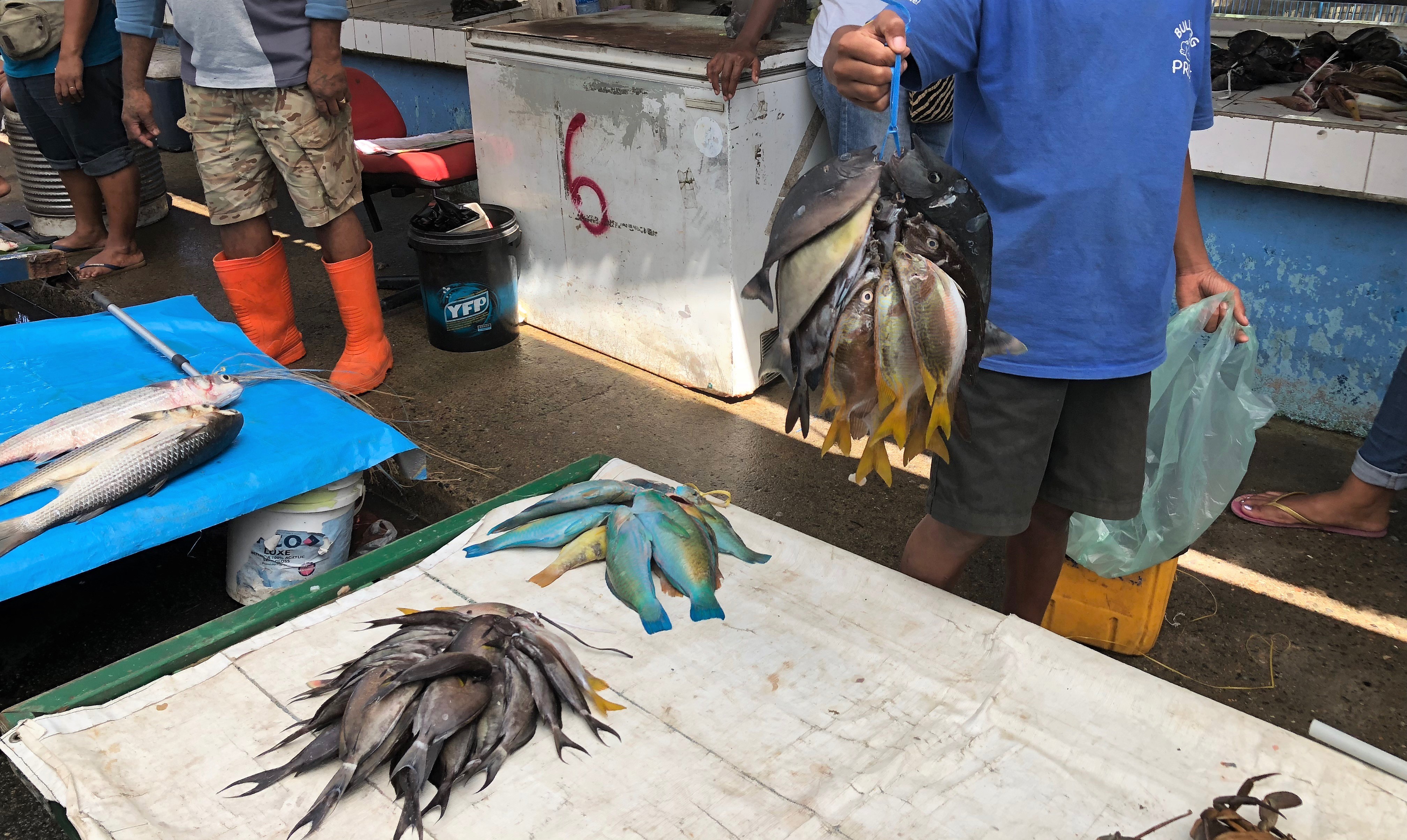
The sustainable management of Fiji’s coastal fisheries is vital for national well-being and food security. One intuitive solution to improve nearshore and coastal fisheries is to enable fish to reach sufficient maturity so they have had the chance to breed before they are caught - in other words the adoption and enforcement of suitable minimum size limits.
The Fisheries Act, 1941 and Fisheries Regulations, at present, regulate nearshore fisheries using various mechanisms that include how fish may be caught, licensing and minimum fish sizes. However, recent work by fisheries scientists in Fiji suggest that the Regulations are out of date and not fit for purpose in the Fiji context. Fisheries scientists suggest that at present too many coastal and nearshore fish are being caught before they reach maturity and this is one reason that is contributing to a decline in Fiji's coastal and nearshore fish stocks.
In this bulletin, we consider the current law on fish sizes and the work being undertaken by fisheries scientists and the Ministry of Fisheries to address the question of what minimum sizes of fish should be caught in its coastal and nearshore waters.